 When AI Runs Out of Earth: Why Space Data Centers Raise New Skill and Policy Questions
Artificial intelligence is growing at a pace that few infrastructure systems were designed to handle. Training large models and running AI at scale now requires enormous computing power, electricity, and cooling—so much so that some technologists are looking beyond Earth itself. The idea of space-based data centers may sound futuristic, but it reflects a very real pressure point in today’s AI ecosystem: our policies and skills are struggling to keep up with AI’s infrastructure demands.
1. Why AI Is Forcing a Rethink of Infrastructure
AI workloads are unlike traditional computing. They run continuously, consume vast amounts of energy, and generate intense heat. On Earth, data centers are increasingly constrained by land availability, water use, power grids, and local regulations. As AI adoption accelerates across industries, simply building more data centers is becoming politically, environmentally, and economically difficult.
This challenge is not just technical—it’s a policy and planning problem. Governments, utilities, and enterprises must decide how AI growth aligns with sustainability goals, energy security, and public trust.
2. The Concept of Space-Based Data Centers
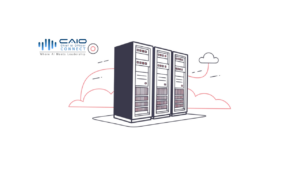
The idea gaining attention is placing AI computing infrastructure in orbit. In space, solar energy is abundant, cooling can occur naturally through radiation, and physical land constraints disappear. In theory, space data centers could ease Earth-based bottlenecks while supporting global AI demand.
But this concept introduces a new layer of complexity: AI governance beyond national borders. When computing moves to space, questions about regulation, jurisdiction, accountability, and security become far more complicated.
3. New Skills Will Be Required—Not Just New Hardware
Even if space data centers remain years away, the conversation highlights a growing gap in AI infrastructure skills.
Organizations will need professionals who understand:
* AI energy economics and sustainability planning
* Infrastructure governance and cross-border regulation
* Risk management for AI systems operating outside traditional jurisdictions
* Human oversight frameworks for highly autonomous compute environments
This goes far beyond coding or model training. It requires policy literacy, systems thinking, and interdisciplinary leadership—skills that many AI teams are only beginning to develop.
4. Policy Challenges That Can’t Be Ignored
Moving AI infrastructure off-planet raises important policy questions:
* Who regulates AI systems operating in space?
* How are data sovereignty and privacy enforced?
* What happens if an orbital data center fails or causes harm?
* How do we prevent monopolization of space-based computing resources?
These are not hypothetical concerns. As AI becomes critical to healthcare, finance, defense, and governance, policymakers will need frameworks that extend beyond Earth-centric assumptions.
5. Human Oversight Still Matters
One consistent theme across AI policy discussions is the importance of human accountability. Whether AI runs in a hospital server room or an orbital platform, humans must remain responsible for decisions, outcomes, and ethical boundaries.
Space-based data centers may solve energy and cooling problems, but they do not eliminate the need for transparency, explainability, and governance. In fact, distance from Earth could make oversight even more critical.
6. What This Signals About the Future of AI
The push toward space data centers is less about rockets and more about readiness. It signals that AI growth is testing the limits of our infrastructure, our skills, and our policies simultaneously.
Organizations that invest today in AI governance skills, policy alignment, and sustainable infrastructure planning will be better prepared—whether AI stays on Earth or reaches for the stars.
7. Final Thought
AI may one day run partly from space, but its success will still depend on decisions made here on Earth. Technology can move fast. Skills and policies must move faster.